
 By Liv Tyree
Maintaining an active lifestyle is an important part of looking after the body and supporting everyday well-being. Exercise does not have to involve complicated routines, expensive equipment, or exhausting workouts. A thoughtful combination of simple movements can help improve strength, stamina, balance, flexibility, and physical confidence.
The most effective routine is one that fits comfortably into daily life. By starting with manageable activities and gradually building intensity, people can develop habits that are easier to maintain over time.
Understanding the Role of Physical Activity
Daily movement keeps muscles engaged and encourages the body to remain capable and mobile. Regular activity can also make ordinary tasks, such as climbing stairs, carrying bags, walking longer distances, or standing for extended periods, feel easier.
Exercise can focus on different areas of fitness. Some activities develop strength, while others improve cardiovascular endurance or flexibility. Combining these areas creates a more complete routine.
There is no need to perform every type of workout in one session. Different activities can be spread throughout the week according to personal goals and available time.
Begin With Basic Movements
For beginners, simple exercises provide a reliable starting point. Basic movements allow people to learn proper technique before attempting more demanding variations.
Useful beginner-friendly movements include:
- Chair squats
- Wall push-ups
- Glute bridges
- Step-ups
- Standing calf raises
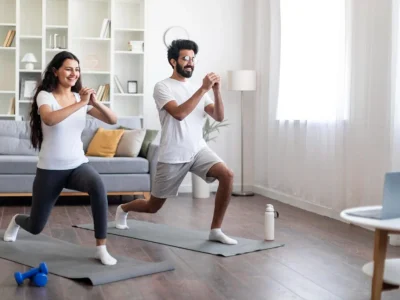
- Gentle lunges
These movements can be performed with little or no equipment. They can also be adjusted according to fitness level.
For example, a chair can provide support during squats, while wall push-ups reduce the amount of body weight being moved. As confidence and strength improve, more challenging versions can be introduced.
Develop Functional Strength
Strength is valuable not only for sports but also for everyday life. Strong muscles help the body handle routine physical demands more efficiently.
Functional exercises often involve several muscle groups working together. Squats, lunges, step-ups, and controlled pushing movements can develop strength that transfers to everyday activities.
Resistance bands or light weights can eventually be added to increase the challenge. However, increasing resistance should come after developing comfortable and controlled movement patterns.
Support Cardiovascular Fitness
Cardiovascular fitness is another important part of a balanced routine. Activities that raise the heart rate for an appropriate period can help build endurance.
There are many options to choose from, including:
- Brisk walking
- Cycling
- Swimming
- Dancing
- Jogging
- Recreational sports
The best choice depends on personal preference, fitness level, and access to suitable facilities.
Someone who is new to exercise can begin with moderate activity and gradually increase duration or intensity. Short sessions can still be valuable when performed regularly.
Improve Balance and Coordination
Balance and coordination are often overlooked when people design a fitness routine. Yet both are important for moving confidently and efficiently.
Simple balance exercises can include standing on one foot while holding a stable surface for support, controlled heel-to-toe walking, or slow step-up movements.
Coordination can also be developed through activities such as dancing, recreational sports, and controlled bodyweight exercises.
These activities can be particularly useful when included alongside strength and cardiovascular training.
Make Flexibility Part of the Routine
Flexible movement can make everyday activities more comfortable. Stretching and mobility exercises can help maintain movement in areas that commonly become stiff from prolonged sitting or limited activity.
Gentle movements for the shoulders, hips, calves, thighs, and back can be included in a regular routine.
Stretching should be gradual and controlled. There is no benefit in forcing the body beyond a comfortable range. Consistency is more useful than trying to achieve dramatic flexibility quickly.
Plan Workouts Around Real Life
A workout routine should work with your schedule rather than compete with it. People often abandon exercise plans because they are too demanding or time-consuming.
A practical approach is to begin with sessions that feel achievable. Even 15 to 30 minutes of focused activity can become a useful part of the day.
A weekly routine might include:
- Walking or another cardiovascular activity on several days
- Strength training on selected days
- Short mobility sessions throughout the week
- Rest or light activity when necessary
The exact schedule can change according to individual responsibilities and energy levels.
Focus on Consistent Progress
Fitness improvements rarely happen overnight. The body needs repeated exposure to physical activity before changes become noticeable.
Progress can be measured in several ways. You might walk farther without feeling tired, perform more repetitions with good form, move more comfortably, or recover more easily after activity.
Small improvements are worth recognizing. They can provide motivation and make long-term progress easier to appreciate.
Avoid Comparing Your Routine With Others
Fitness is personal. People begin with different levels of strength, endurance, mobility, and experience.
Comparing your progress with someone else’s can create unrealistic expectations. Instead, focus on your own starting point and look for gradual improvement.
A sustainable routine should challenge you without making every session feel overwhelming.
Prioritize Recovery
Recovery allows the body to adapt to physical demands. Rest days, adequate sleep, hydration, and balanced meals all contribute to maintaining an active lifestyle.
Not every day needs to be intense. Gentle walking, stretching, or other light movement can be useful between more demanding sessions.
If an exercise causes sharp pain, unusual discomfort, or other concerning symptoms, stop and seek appropriate professional guidance.
Conclusion
A good exercise routine does not need to be complicated. Simple strength movements, cardiovascular activities, balance exercises, and flexibility work can provide a strong foundation for physical fitness.
The most important factor is consistency. Start with manageable activities, learn proper movement, increase difficulty gradually, and give the body enough time to recover. With realistic expectations and a routine that fits everyday life, exercise can become a lasting and rewarding habit.