 By Liv Tyree
Staying physically active does not have to mean spending hours in a gym or following an intense training program. Simple exercises performed consistently can make a meaningful difference in strength, stamina, mobility, and overall fitness. Whether someone is starting from scratch or looking for a more practical routine, choosing enjoyable and manageable movements can make exercise easier to maintain.
The Value of Staying Active
The human body is designed to move, yet modern routines often involve long periods of sitting. Work, commuting, entertainment, and other daily activities can reduce opportunities for natural movement.
Regular physical activity helps keep the body engaged and supports everyday abilities. It can make routine tasks feel easier, improve physical confidence, and encourage a healthier lifestyle.
A good routine does not need to be complicated. A combination of different movements can provide a balanced approach to fitness.
Walking Is an Excellent Starting Point
Walking is one of the most accessible forms of physical activity. It requires no complicated technique and can be adapted to different fitness levels.
A relaxed walk can provide gentle movement, while a faster pace can create a more demanding cardiovascular session. Walking outdoors can also provide a refreshing change from indoor environments.
People who are new to exercise can begin with short walks and gradually increase their duration or pace. Taking the stairs, walking during breaks, or choosing to walk for nearby errands can also add more movement to the day.
Build Strength With Bodyweight Movements
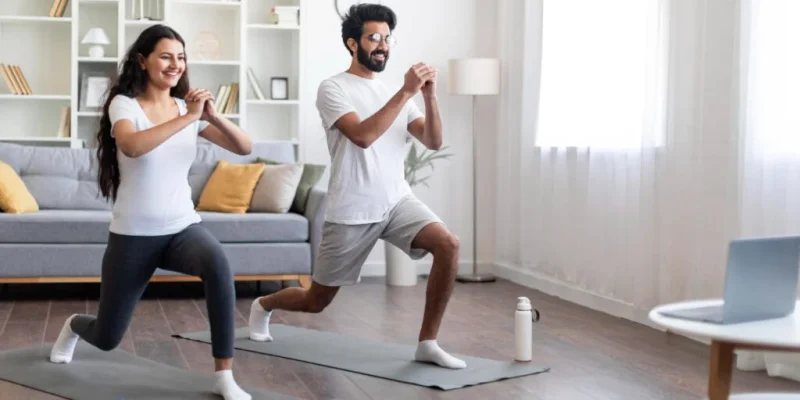
Strength exercises help develop muscles that support everyday activities. Bodyweight movements are particularly useful because they can often be performed at home without specialized equipment.
Some practical options include:
- Squats
- Lunges
- Wall push-ups
- Glute bridges
- Step-ups
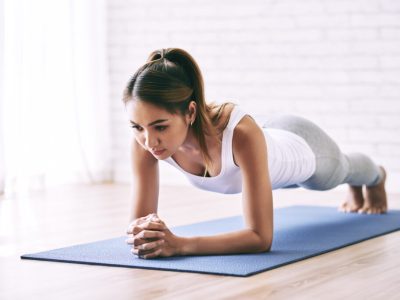
- Planks
These movements can be modified according to individual ability. Someone who finds a traditional squat challenging may begin with a chair-assisted version. Similarly, wall push-ups can provide an easier alternative to floor push-ups.
Good technique should always come before increasing repetitions.
Improve Core Stability
The core includes muscles around the abdomen, hips, and lower back that help stabilize the body. A stronger core can support posture, balance, and controlled movement.
Planks are a popular core exercise, but they are not the only option. Dead bugs, bird-dog movements, and controlled leg raises can also be included in a routine.
Beginners should concentrate on maintaining proper alignment rather than holding a position for as long as possible. Short, controlled sets can be more useful than sacrificing form to achieve a longer duration.
Add Cardiovascular Activities
Cardiovascular exercises train the heart and lungs while improving endurance. There are many ways to make this part of a routine without relying on a traditional gym workout.
Cycling, swimming, dancing, brisk walking, jogging, and recreational sports can all provide cardiovascular activity.
Variety can make exercise more enjoyable. Someone who becomes bored with running might alternate between cycling, walking, and dancing throughout the week.
The goal is to find activities that are challenging enough to encourage progress while still being enjoyable.
Do Not Ignore Flexibility
Flexibility and mobility are important parts of balanced fitness. Regular movement through comfortable ranges can help the body stay mobile and make everyday activities easier.
Gentle stretches can be performed after physical activity or during a separate session. Areas such as the hips, shoulders, calves, thighs, and back may benefit from regular attention.
Stretching should be controlled and comfortable. Forcing the body into a position can create unnecessary discomfort, so gradual progress is preferable.
Create a Routine That Fits Your Schedule
One of the biggest challenges with exercise is consistency. A routine that requires too much time may become difficult to maintain.
Instead, consider fitting shorter sessions into the day. A person might take a morning walk, complete a brief strength session later, and stretch before bed.
A basic weekly approach could include:
- Several days of moderate cardiovascular activity
- Strength-focused sessions during the week
- Regular mobility or stretching
- Lighter activities and rest when needed
The schedule can be adjusted as fitness levels and personal responsibilities change.
Progress Gradually
Trying to improve too quickly can make exercise unnecessarily difficult. The body needs time to adapt to new demands.
Progress can come from increasing repetitions, adding resistance, extending workout duration, or improving movement quality. Only one factor needs to change at a time.
Keeping track of workouts can also help identify progress. Even small improvements, such as completing an additional set or walking for a few more minutes, can provide motivation.
Make Exercise Enjoyable
Enjoyment plays a major role in long-term consistency. People are more likely to continue activities they genuinely like.
Some may enjoy group workouts, while others prefer exercising alone. Music, outdoor activities, recreational games, or changing the workout style can make movement feel less repetitive.
Fitness does not have to look the same for everyone. Personal preferences should be part of the routine.
Give Your Body Time to Recover
Rest is an important part of physical training. Muscles and other body systems need time to recover after demanding activity.
Adequate sleep, balanced nutrition, hydration, and lighter movement can support recovery. Taking a rest day does not mean losing progress. It can help prepare the body for future workouts.
If exercise causes significant pain, dizziness, or unusual symptoms, stopping the activity and seeking appropriate professional advice is sensible.
Conclusion
A successful fitness routine does not depend on complicated exercises or expensive equipment. Walking, strength movements, cardiovascular activities, and flexibility work can create a balanced approach to staying active.
The most important step is to begin at a comfortable level and build gradually. With realistic goals, regular movement, and enough recovery, exercise can become a sustainable part of everyday life rather than a temporary commitment.