
 By Liv Tyree
Regular physical activity is one of the simplest ways to support overall health and well-being. A consistent routine can improve strength, flexibility, balance, endurance, and energy levels while also helping people feel more confident in their daily lives. The best approach does not require complicated equipment or hours at the gym. What matters most is choosing exercises that match your goals and performing them consistently.
Why Regular Movement Matters
Modern lifestyles often involve long periods of sitting, whether at work, during travel, or while relaxing at home. Regular movement helps counteract the effects of inactivity and keeps the body engaged.
Exercise can support several important areas of health, including:
- Better muscular strength
- Improved cardiovascular endurance
- Greater flexibility and mobility
- Better balance and coordination
- Increased daily energy
- Improved sleep quality
- Greater confidence and physical independence
Even short sessions can be useful when they become part of a regular routine.
Start With Simple Exercises
Beginners do not need to start with demanding workouts. Basic movements can provide an excellent foundation while allowing the body to gradually adapt to physical activity.
Walking is one of the easiest options. It requires little equipment and can be adjusted to suit different fitness levels. A comfortable walk can become a faster-paced session as endurance improves.
Bodyweight movements are another practical choice. Exercises such as squats, wall push-ups, lunges, and gentle step-ups can work several muscle groups without requiring a gym.
The key is to focus on controlled movement rather than trying to complete as many repetitions as possible.
Strength Exercises for Everyday Fitness
Strength training is useful for maintaining and developing muscle. Stronger muscles can make everyday activities such as carrying groceries, climbing stairs, lifting objects, and getting up from a chair easier.
Common strength exercises include:
- Squats for the legs and hips
- Push-ups for the chest, shoulders, and arms
- Glute bridges for the hips and lower body
- Lunges for the legs and balance
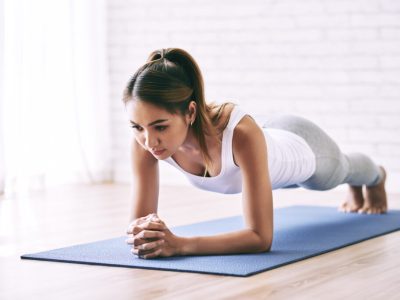
- Planks for the core
Beginners can modify these movements when necessary. For example, a person who finds standard push-ups difficult can begin with wall or elevated push-ups.
As strength improves, repetitions or resistance can be increased gradually.
Include Flexibility and Mobility
Strength and endurance are important, but flexibility should not be overlooked. Mobility exercises help the body move comfortably through its available range of motion.
Gentle stretching can be included after a workout or during a separate movement session. Common areas to stretch include the shoulders, hips, thighs, calves, and back.
Mobility work can also be useful for people who spend much of the day sitting. Simple shoulder rolls, ankle movements, hip rotations, and controlled bodyweight movements can help keep the body active.
Stretching should feel comfortable rather than painful. Slow, controlled movements are generally more useful than forcing a position.
Improve Cardiovascular Endurance
Cardiovascular exercises challenge the heart and lungs while helping improve stamina. Walking, cycling, swimming, dancing, jogging, and similar activities can all become part of an endurance routine.
People with limited fitness experience can begin with short sessions and gradually increase their duration. For example, several moderate walking sessions during the week can create a strong foundation.
Changing activities can also make workouts more enjoyable. Someone who dislikes running may prefer cycling, swimming, dancing, or brisk walking.
Create a Balanced Weekly Routine
A well-rounded exercise routine should include different types of movement rather than focusing on only one activity.
A simple weekly structure might include:
- Several days of walking or another cardiovascular activity
- Two or more days focused on strength
- Regular flexibility or mobility sessions
- Rest or lighter movement when needed
The exact schedule can vary according to age, fitness level, goals, and lifestyle. Consistency is more important than creating an unrealistic routine.
Listen to Your Body
Exercise should challenge the body, but it should not regularly cause sharp or unusual pain. Beginners may experience normal muscle tiredness after starting a new routine, but severe discomfort is a reason to stop and reassess the activity.
Rest is also part of fitness. Recovery gives the body time to adapt and can make it easier to maintain a routine over the long term.
People with existing health concerns, injuries, or specific physical limitations should consider getting professional guidance before beginning a demanding program.
Make Exercise a Sustainable Habit
The most effective exercises are often the ones a person enjoys enough to continue. Setting small goals can make physical activity feel more manageable.
Instead of aiming for dramatic changes immediately, focus on achievable improvements such as taking more walks, completing a few additional repetitions, or staying active for a few extra minutes.
Over time, these small efforts can become lasting habits.
Conclusion
Exercises play an important role in maintaining a stronger, more active, and balanced lifestyle. A combination of strength training, cardiovascular activity, flexibility work, and everyday movement can support many aspects of physical fitness.
There is no single routine that works for everyone. The best plan is one that fits individual abilities, goals, and schedule. By starting gradually, staying consistent, and allowing enough time for recovery, people can build an exercise routine that remains practical and rewarding for years to come.