
 By Liv Tyree
Regular movement can play an important role in maintaining a strong, energetic, and active lifestyle. Many people assume that getting fit requires long gym sessions or complicated training programs, but effective exercise can be much simpler. The right combination of movements, performed consistently and adjusted to personal ability, can provide a practical foundation for better fitness.
A successful routine should support everyday needs while remaining realistic enough to continue over the long term.
Why Movement Should Be a Daily Priority
Daily life can easily become less active because of desk work, commuting, screen time, and other sedentary habits. Spending too much time without movement may make the body feel stiff and less prepared for physical tasks.
Regular exercise encourages the body to stay active and capable. It can support muscular strength, endurance, balance, mobility, and general physical confidence.
Even small amounts of movement can contribute to a more active lifestyle when they are repeated consistently.
Choose Exercises That Match Your Level
Not every exercise is appropriate for every person. Fitness level, experience, age, goals, and physical limitations can all influence which movements are suitable.
Beginners should generally start with simple exercises that allow them to learn proper technique. Examples include chair squats, wall push-ups, gentle lunges, step-ups, and glute bridges.
Starting at a manageable level makes it easier to develop confidence. Once basic movements become comfortable, their difficulty can gradually be increased.
Build Lower-Body Strength
The legs and hips play a major role in everyday movement. Strengthening these areas can make activities such as walking, climbing stairs, standing, and lifting easier.
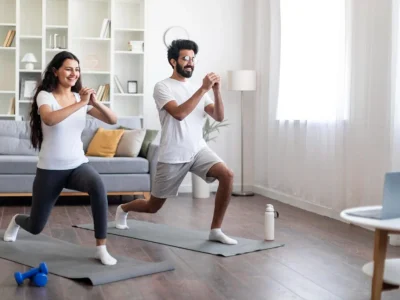
Squats are a popular option because they involve several muscles at once. Lunges can challenge the legs while also requiring balance. Step-ups provide another practical movement that can be adjusted according to ability.
A beginner does not need to perform large numbers of repetitions. Controlled movement and consistent practice are more important than rushing through a workout.
Train the Upper Body
Upper-body strength is useful for many daily activities, including carrying, pushing, pulling, and reaching.
Push-ups can be modified to make them more accessible. Wall push-ups are a convenient starting point, while elevated or traditional versions can be introduced as strength improves.
Resistance bands and light weights can also be used for movements that target the shoulders, arms, chest, and back.
Maintaining good posture throughout these exercises helps promote controlled and efficient movement.
Strengthen the Core
Core muscles help stabilize the body during many different activities. A strong and well-controlled core can support balance and efficient movement.
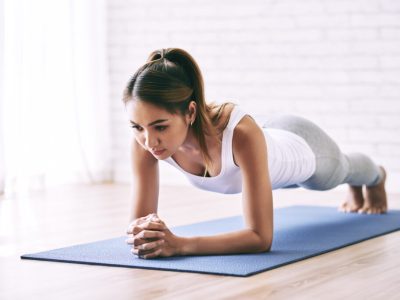
Planks are one option, but exercises such as bird-dog movements and dead bugs can also challenge the core while emphasizing control.
Instead of focusing only on how long an exercise can be performed, concentrate on maintaining proper alignment. A shorter set with good technique is generally preferable to a longer set performed poorly.
Improve Your Endurance
Cardiovascular exercises help the body handle sustained activity. Walking, cycling, swimming, dancing, and jogging can all be included in an endurance-focused routine.
Beginners can start with moderate sessions and increase duration gradually. There is no need to make every workout exhausting.
Changing activities throughout the week can keep training interesting. Someone might walk on one day, cycle on another, and choose a recreational activity later in the week.
Give Flexibility and Mobility Attention
Strength and endurance are only parts of physical fitness. Mobility and flexibility also contribute to comfortable movement.
Gentle stretches for the hips, legs, shoulders, and back can be included in a regular routine. Controlled mobility movements may also help people who spend long periods sitting.
Stretching should remain comfortable. Avoid forcing a joint or muscle into an uncomfortable position, and focus on gradual improvement rather than immediate flexibility.
Keep Workouts Practical
A routine should fit your lifestyle. If a workout requires too much time or preparation, it may become difficult to maintain.
Short sessions can be effective for building consistency. A person might complete a brief strength workout in the morning and take a walk later in the day.
Practical ways to increase daily activity include:
- Walking during short breaks
- Taking stairs when appropriate
- Stretching after long periods of sitting
- Performing simple bodyweight movements at home
- Choosing active recreational activities
These small decisions can add more movement without requiring major changes to the schedule.
Track Progress Without Obsessing Over Numbers
Progress can appear in many forms. You might notice that a walk feels easier, your movements become smoother, or you can complete more repetitions without excessive fatigue.
Keeping a simple record of workouts can help identify improvements. However, progress should not be judged only by numbers. Better technique, greater comfort, improved stamina, and increased consistency are valuable achievements too.
Allow Enough Time for Recovery
Rest is not a sign of weakness. It gives the body an opportunity to recover and adapt.
A balanced routine should include easier days when needed. Sleep, hydration, appropriate nutrition, and recovery time can all support continued activity.
If an exercise produces sharp pain or unusual symptoms, stop and seek appropriate professional guidance rather than trying to push through it.
Conclusion
Effective exercises do not have to be complicated. A combination of strength movements, cardiovascular activities, mobility work, and everyday walking can create a practical fitness routine.
The most valuable approach is to begin at a suitable level and progress patiently. By choosing enjoyable activities, maintaining consistency, and respecting the need for recovery, exercise can become a lasting habit that supports an active and capable lifestyle.