
 By Liv Tyree
Introduction
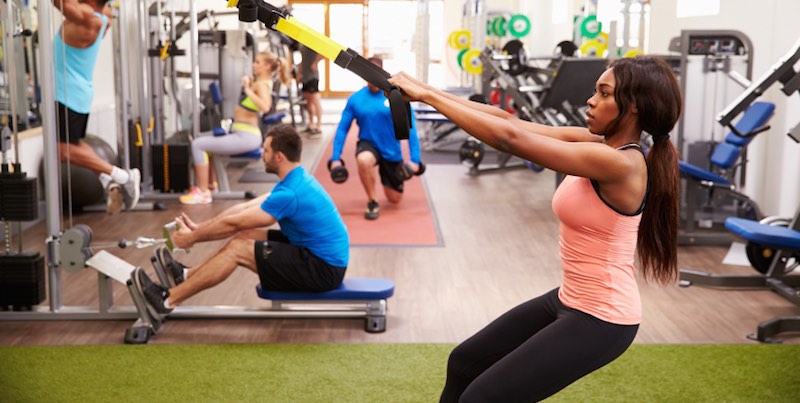
The gym has become a cornerstone of modern fitness culture, offering a dedicated space with equipment, professional guidance, and structured environments to achieve physical health goals. Whether the aim is weight loss, muscle gain, cardiovascular health, or overall well-being, a gym provides the tools and resources to optimize fitness. Regular gym attendance can significantly enhance physical performance, mental health, and lifestyle quality.
Importance of Going to the Gym
Exercising in a gym environment has unique benefits compared to home workouts or outdoor exercises:
- Access to Equipment: Gyms are equipped with a variety of machines and free weights that allow for full-body workouts.
- Professional Guidance: Personal trainers provide expert instruction, ensuring safe and effective exercise techniques.
- Motivating Environment: Being surrounded by others who are working towards similar fitness goals enhances motivation and consistency.
- Structured Programs: Many gyms offer classes such as HIIT, yoga, spinning, and Pilates for guided group workouts.
- Comprehensive Fitness: Gym workouts can combine strength training, cardio, flexibility, and balance exercises in one location.
The structured environment and access to professional resources make gyms ideal for individuals seeking measurable and sustainable fitness improvements.
Types of Gym Workouts
1. Strength Training
Strength training is foundational for muscle growth, bone health, and metabolic improvement.
- Free Weights: Dumbbells, barbells, kettlebells for compound and isolation exercises
- Resistance Machines: Provide controlled movements for beginners or rehabilitation purposes
- Bodyweight Exercises: Push-ups, squats, pull-ups performed in the gym environment
Benefits:
- Enhances muscle strength and tone
- Boosts metabolic rate, aiding fat loss
- Supports joint stability and overall functional strength
2. Cardiovascular Workouts
Cardio workouts improve heart health, endurance, and overall energy levels.
- Treadmills and Ellipticals: Adjustable speeds and inclines for progressive intensity
- Stationary Bikes and Rowing Machines: Effective low-impact cardio options
- Aerobic Classes: Group sessions like Zumba or spin classes for social and motivational benefits
Benefits:
- Reduces risk of heart disease, stroke, and diabetes
- Improves lung capacity and oxygen circulation
- Assists with weight management and stamina
3. High-Intensity Interval Training (HIIT)
HIIT combines short bursts of intense exercise with periods of rest or lower-intensity activity.
- Circuit Training: Combines strength and cardio exercises in rotation
- Tabata Workouts: 20 seconds of high-intensity activity followed by 10 seconds of rest
- Functional Movements: Burpees, jump squats, kettlebell swings
Benefits:
- Efficient calorie burning in shorter durations
- Improves cardiovascular and muscular endurance
- Enhances metabolic rate even after the workout
4. Flexibility and Mobility Training
Flexibility and mobility are often overlooked but are essential for injury prevention and performance.
- Stretching Routines: Dynamic stretching before workouts and static stretching post-workout
- Yoga and Pilates Classes: Improve core stability, flexibility, and posture
- Foam Rolling and Mobility Drills: Aid in muscle recovery and joint mobility
Benefits:
- Increases range of motion and flexibility
- Reduces the risk of injuries
- Enhances overall movement efficiency
5. Specialized Classes and Functional Training
Many gyms offer functional training sessions designed to mimic daily movements or improve athletic performance.
- TRX Suspension Training: Uses body weight for strength and balance exercises
- Kettlebell Workouts: Combines strength, cardio, and endurance
- Functional Fitness Programs: Focus on movements like lifting, pushing, pulling, and squatting
Benefits:
- Improves balance, coordination, and stability
- Supports real-life movement efficiency
- Enhances overall athletic performance
Creating an Effective Gym Routine
1. Assess Your Fitness Level
Before starting a gym routine, evaluate current strength, flexibility, cardiovascular endurance, and any medical limitations. This assessment helps in designing a safe and effective program.
2. Set Specific Goals
Clearly define objectives such as weight loss, muscle gain, endurance improvement, or rehabilitation. Specific goals help structure workouts and measure progress effectively.
3. Design a Balanced Program
Incorporate strength training, cardio, flexibility, and balance exercises. A balanced program ensures all aspects of fitness are addressed.
4. Schedule Consistency
Aim for at least 3–5 gym sessions per week, combining different types of workouts to maintain variety and interest.
5. Warm-Up and Cool-Down
Start with 5–10 minutes of light cardio and dynamic stretching. End with static stretching and cool-down exercises to prevent injury and improve recovery.
6. Progression and Adaptation
Gradually increase intensity, weight, or duration as fitness improves. This approach prevents plateaus and promotes continuous improvement.
7. Recovery and Nutrition
Rest is critical for muscle repair and overall health. Pair gym workouts with adequate protein intake, hydration, and quality sleep.
Benefits of Regular Gym Attendance
- Physical Health: Reduces risk of chronic diseases, strengthens muscles and bones, and improves body composition
- Mental Health: Enhances mood, reduces stress, and promotes better sleep
- Lifestyle Improvement: Encourages discipline, routine, and healthy habits
- Social Interaction: Gyms offer opportunities for community and group exercise, boosting motivation
Common Mistakes to Avoid at the Gym
- Skipping Warm-Up and Cool-Down: Can lead to injury or delayed recovery
- Overtraining: Exercising too frequently without rest reduces performance and increases fatigue
- Neglecting Form: Incorrect technique can cause injuries and reduce effectiveness
- Focusing Only on One Type of Exercise: Imbalances can lead to poor posture and weak areas
- Ignoring Recovery and Nutrition: Limits progress and increases risk of overuse injuries
Tips for Maximizing Gym Results
- Track workouts and progress to stay motivated and evaluate improvements
- Combine gym workouts with outdoor activities for variety
- Use technology such as fitness apps or smart devices to monitor heart rate, calories, and performance
- Consider hiring a personal trainer for personalized guidance and accountability
- Stay hydrated and fuel your workouts with balanced nutrition
Conclusion
A gym offers a controlled, well-equipped environment to achieve comprehensive fitness goals. By understanding different types of exercises, creating a balanced routine, avoiding common mistakes, and maintaining consistency, individuals can significantly enhance their physical and mental health. Regular gym workouts foster strength, endurance, flexibility, and confidence, making it an indispensable part of a healthy lifestyle.
FAQs
1. How often should I go to the gym for optimal results?
Aim for 3–5 sessions per week, combining strength, cardio, and flexibility exercises for a balanced approach.
2. Can beginners benefit from gym workouts?
Yes, gyms provide structured guidance and equipment suitable for all fitness levels, including beginners.
3. Are group classes effective for fitness?
Group classes like HIIT, yoga, or spin provide motivation, structure, and varied workouts, making them highly effective.
4. How important is a personal trainer in a gym?
Trainers ensure correct form, create personalized routines, and help achieve goals safely and efficiently.
5. Can gym workouts help with mental health?
Yes, regular exercise reduces stress, improves mood, and enhances overall mental well-being through endorphin release.
6. Is it necessary to combine gym workouts with nutrition planning?
Absolutely. Nutrition fuels workouts, supports recovery, and enhances results from gym exercises.
7. What types of exercises are best for fat loss in the gym?
A combination of strength training, HIIT, and cardio exercises is most effective for fat reduction and metabolic improvement.