
 By Liv Tyree
Facial trauma can affect much more than appearance. An injury to the face may involve the skin, bones, teeth, nerves, muscles, vision, hearing, breathing, spine, or even brain function. Because the face is connected to so many important structures, recovery often takes more than one appointment or one type of treatment.
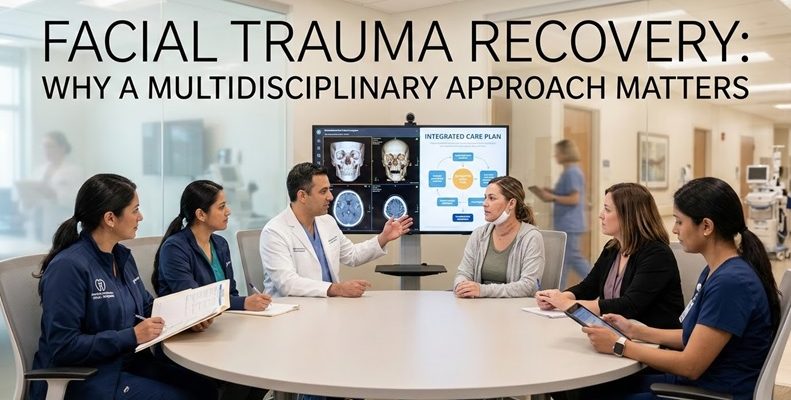
A multidisciplinary approach brings different healthcare specialists together to understand the full impact of an injury. This helps ensure visible wounds are treated while deeper concerns, such as nerve damage, concussion symptoms, jaw misalignment, neck pain, or hearing changes, are not missed. With coordinated care, patients are more likely to receive a recovery plan that supports both function and quality of life.
Understanding the Complexity of Facial Trauma
Facial trauma can happen after car accidents, falls, sports injuries, workplace accidents, assaults, or other sudden impacts. Injuries may include cuts, bruising, fractures, dental trauma, burns, or soft tissue damage. Some injuries are obvious right away. Others develop more slowly over hours, days, or even weeks.
The face contains many small bones and delicate structures. The nose, cheekbones, jaw, eye sockets, and forehead all contribute to facial shape and function. When one area is injured, another may be affected too. For example, a cheekbone fracture can affect eye position, while a jaw injury can interfere with chewing, speaking, and bite alignment.
Because facial injuries often involve both cosmetic and functional concerns, recovery should not focus on appearance alone. Patients may also need support for pain, swelling, numbness, headaches, dizziness, neck stiffness, hearing problems, or emotional stress related to the injury.
The Role of Facial Reconstruction
Facial reconstruction after trauma focuses on restoring structure, function, and appearance as much as possible. Care may include repairing soft tissue injuries, correcting fractures, minimizing scarring, or improving facial symmetry after the initial injury has healed. Sometimes reconstructive care begins soon after trauma. Other times, it becomes part of a staged recovery plan.
A facial plastic surgeon may evaluate how the injury affects breathing, facial movement, eyelid function, jaw position, and overall facial balance. For patients in North Texas, North Texas Facial Plastic Surgery may be considered when looking for a facial plastic surgeon in North Texas for facial reconstruction after trauma. The goal is not only cosmetic improvement. It is also to help restore everyday functions such as speaking, eating, breathing, and facial expression.
Reconstruction can also support emotional recovery. Facial injuries are highly visible, and changes in appearance may affect confidence, social comfort, and mental well-being. A thoughtful reconstructive plan can help patients feel more like themselves again while also addressing medical concerns related to the injury.
Why Neurological Symptoms Should Not Be Ignored
Facial trauma can happen alongside head trauma. Even without a visible skull injury, the force of impact may affect the brain or nerves. Symptoms such as confusion, headaches, dizziness, nausea, memory problems, vision changes, facial numbness, weakness, or tingling should be evaluated carefully.
Nerve involvement can be especially important in facial injuries. The facial nerve helps control expression, while sensory nerves allow feeling in the cheeks, lips, forehead, and jaw. Damage to these nerves may cause numbness, burning pain, weakness, twitching, or changes in facial movement. Some nerve symptoms improve over time, while others need further assessment and treatment.
A neurological evaluation can also help identify concussion, traumatic brain injury, or other complications that may not be obvious during the earliest stages of care. Early recognition allows providers to recommend rest, imaging, monitoring, therapy, or specialist care when needed.
Brain and Nerve Injury Care in Recovery
When brain or nerve involvement is suspected, a neurosurgical evaluation may be part of the recovery process. This does not always mean surgery is needed. Often, the purpose of the evaluation is to understand the extent of the injury, monitor symptoms, review imaging, and determine whether additional treatment is necessary.
Haynes Neurosurgical Group may be involved for patients who need a brain surgeon for brain and nerve injury care after trauma. This type of specialty care can be important when symptoms suggest nerve compression, brain injury, skull involvement, or persistent neurological changes. A neurosurgical perspective may also help guide decisions about observation, medication, therapy, or procedures.
Including neurological care in a facial trauma recovery plan helps reduce the chance that deeper injuries are missed. It also gives patients a clearer explanation for symptoms that may otherwise feel confusing, such as facial numbness, shooting pain, weakness, balance problems, or ongoing headaches.
The Connection Between Facial Trauma and Neck or Spine Injuries
Facial trauma often results from forceful impact, and that same force can affect the neck and spine. Someone who hits their face in a fall, collision, or sports injury may also experience whiplash, muscle strain, disc irritation, joint injury, or changes in posture and alignment. Neck pain may appear immediately, or it may develop after swelling and adrenaline fade.
Spine-related symptoms can include stiffness, headaches, shoulder pain, arm tingling, reduced range of motion, or pain that worsens with movement. These symptoms can complicate recovery because the head, jaw, neck, and upper back work together during daily activities. Pain in one area can lead to compensation in another.
Addressing spine health can also support facial recovery. Jaw tension and neck stiffness, for example, can reinforce each other. Headaches may be related to both facial injury and cervical strain. A careful spine and musculoskeletal evaluation can help separate these causes and guide rehabilitation.
Orthopedic and Spine Rehabilitation After Trauma
Orthopedic and spine rehabilitation may include physical therapy, mobility work, posture correction, strengthening exercises, pain management, and follow-up imaging when appropriate. The goal is to restore movement, reduce pain, and prevent long-term stiffness or dysfunction.
CalSpine MD may be considered for patients who need an orthopedic spine surgeon for orthopedic and spine rehabilitation after trauma. This type of care may be especially useful when facial trauma occurs with neck pain, back pain, suspected spinal injury, or ongoing movement limitations. Even when surgery is not required, an orthopedic spine specialist can help determine the right rehabilitation path.
Spine rehabilitation is often gradual. Patients may need to rebuild strength, improve flexibility, and learn safe movement patterns. Coordinating this care with facial reconstruction, neurological evaluation, and other treatment helps avoid conflicting recommendations and supports a more balanced recovery.
Sensory Changes After Facial Injury
Facial trauma can affect the senses in several ways. Some patients notice changes in vision, smell, taste, balance, or hearing. These symptoms may be temporary, but they should still be discussed with a healthcare provider, especially if they persist or worsen.
Hearing changes can occur after head or facial trauma because the ear structures are delicate and closely connected to the skull, jaw, and nerves. A person may experience muffled hearing, ringing in the ears, sound sensitivity, ear pressure, dizziness, or difficulty understanding speech in noisy environments. These symptoms can interfere with work, driving, communication, and daily comfort.
Sensory symptoms are sometimes overlooked when visible injuries feel more urgent. Still, they can have a major effect on the quality of life. A complete recovery plan should include questions about hearing, balance, and other sensory changes so patients can receive timely evaluation when needed.
Hearing Evaluation and Support
Audiology care can help identify whether trauma has affected hearing, balance-related function, or sound processing. A hearing evaluation may include tests that measure hearing levels, speech understanding, middle ear function, or other auditory concerns. The results can help determine whether symptoms are related to temporary swelling, nerve involvement, structural injury, or another cause.
Apex Audiology may be involved when patients need audiology services, hearing evaluations, or hearing aids after trauma-related hearing changes. Audiology care can be especially helpful when symptoms such as ringing, muffled hearing, or difficulty following conversations continue after the initial injury has been treated.
Some hearing changes improve as the body heals. Others may require hearing support, communication strategies, monitoring, or devices such as hearing aids. Including audiology in a multidisciplinary plan helps ensure sensory recovery is not treated as an afterthought.
How Coordinated Care Improves Recovery
A multidisciplinary approach works best when providers communicate and understand each part of the patient’s condition. Facial trauma recovery may involve surgeons, neurologists, neurosurgeons, orthopedic specialists, audiologists, dentists, eye specialists, physical therapists, and primary care providers. Each specialist looks at the injury through a different lens.
Coordination helps reduce gaps in care. A patient with a facial fracture, for example, may also need evaluation for concussion symptoms, neck pain, and hearing changes. Without coordination, each concern may be treated separately, which can lead to delays or missed connections. With a shared plan, providers can better prioritize treatment and adjust care as symptoms evolve.
This approach also helps patients understand their recovery. Trauma can feel overwhelming, especially when symptoms affect appearance, comfort, movement, and communication. A coordinated plan gives patients clearer expectations and helps them understand which symptoms need urgent attention, which may improve with time, and which require ongoing care.
Moving Forward After Facial Trauma
Facial trauma recovery is often more complex than repairing visible injuries. Because the face is connected to the brain, nerves, spine, jaw, airway, and sensory systems, a complete evaluation may require several specialties. This broader approach helps identify both obvious and hidden effects of trauma.
When care includes facial reconstruction, neurological evaluation, spine rehabilitation, and hearing assessment when appropriate, patients receive a more complete picture of their health after injury. Coordinated care supports healing, function, comfort, and confidence, helping patients move forward with a recovery plan that treats the whole person, not just one injury at a time.