 By Liv Tyree
When walking into a medical practice, most people immediately notice the waiting room chairs or the colour of the walls. However, the true impact of a medical environment goes far deeper than aesthetics. The physical layout of a clinic plays a silent but substantial role in how effectively doctors can work and how comfortable patients feel during their visit. In Australia, where patient expectations are high and the healthcare system is busy, the design of these spaces is becoming increasingly important.
A well-planned environment does more than look professional; it directly influences the flow of people and information. For medical professionals, the difference between a chaotic day and a smooth one often comes down to the placement of equipment, the width of corridors, and the accessibility of treatment rooms. A strategic healthcare fit out considers these operational needs from the start, ensuring that the physical space supports the medical team rather than hindering them. When nurses and doctors spend less time moving between disjointed areas, they can spend more time focusing on what matters: the patient.
Efficiency in a clinical setting is often measured by patient throughput and reduced waiting times. Smart design principles can minimise bottlenecks at reception and ensure privacy in consultation rooms. For example, separating administrative areas from clinical zones reduces noise and confusion. This separation allows administrative staff to handle calls and paperwork without disrupting medical procedures. In Australian clinics, where privacy regulations are strict, acoustic planning is also vital. Soundproofing ensures confidential conversations stay private, building trust between the practitioner and the patient.
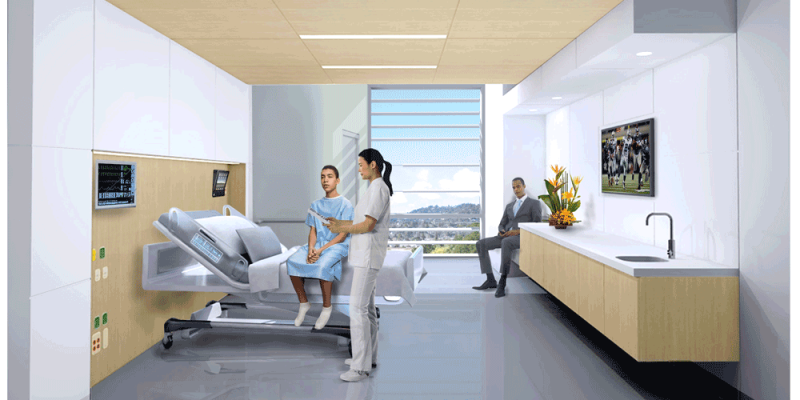
Beyond efficiency, the patient experience is heavily influenced by the environment. Anxiety is a common emotion for anyone visiting a doctor or specialist. A space that feels cramped, dark, or confusing can heighten this stress. Conversely, a clinic designed with natural light, clear wayfinding signage, and comfortable waiting areas can have a calming effect. Biophilic design—incorporating elements of nature like indoor plants or timber finishes—is gaining traction in Australian medical centres for its proven ability to lower heart rates and reduce stress levels.
Accessibility is another major factor. Australian standards require equitable access for everyone, including those with mobility challenges. Wide doorways, accessible restrooms, and adjustable counters are not just legal requirements; they are essential for inclusive care. When a patient can move through a space independently and with dignity, their overall perception of the care received improves significantly.
Infection control is also a primary concern that design can address. Modern fitouts prioritise materials that are durable and easy to clean, reducing the risk of contamination. Touchless fixtures, seamless flooring, and appropriate ventilation systems are all tangible ways that design contributes to safety.
Ultimately, a medical practice is a complex ecosystem. Balancing the technical requirements of medical equipment with the human need for comfort is a challenge. However, when done correctly, the result is a facility that runs like clockwork. By prioritising function alongside form, Australian healthcare providers can create spaces that not only work better for their staff but also provide a higher standard of care for their community.