 By Liv Tyree
A workout does not need to feel random to stay interesting. In fact, the best class formats often use planned choreography to create both freshness and progression. The movement is not thrown together at the last minute. It follows a design that helps participants learn, improve, and stay engaged while still feeling challenged.
For people searching for les mills singapore, choreographed group fitness can be appealing because it blends structure with energy. The class feels lively because of music, timing, transitions, and movement changes, but it also feels organized because the workout has a clear plan. That combination helps members stay motivated without losing direction.
Choreography Gives the Class a Purpose
In group fitness, choreography is not only about dance. It means the workout is arranged in a planned sequence. Movements, timing, music, intensity, and recovery all work together.
This makes the class feel smoother. Participants are not jumping from one exercise to another without reason. Each section has a role. The warmup prepares the body. The main blocks challenge strength, cardio, or power. Recovery moments help members reset. The cooldown brings the session down gradually.
A planned class helps members trust the process.
Freshness Comes From Smart Changes
People often quit workouts when they feel bored. Choreographed classes help prevent that by introducing new combinations, music, timing, or movement emphasis over time. The class stays familiar enough to follow but fresh enough to keep attention.
This is different from random variety. Random workouts may feel exciting briefly, but they can make progress hard to measure. Smart choreography gives members variety with a purpose.
That is what keeps the class interesting without making it confusing.
Repetition Helps Skill Development
Freshness matters, but repetition also matters. A class that changes everything every time may prevent members from improving. Choreographed programs often repeat certain patterns long enough for participants to learn them.
This is useful because fitness is not only effort. It is skill. Members learn how to move better, control intensity, follow rhythm, and manage fatigue.
The first time a sequence appears, it may feel difficult. After repeated exposure, the participant becomes more confident. That confidence supports progress.
Music Creates Energy and Timing
Music is central to choreographed classes. It controls pace, mood, and effort. A strong track can make a difficult interval feel more achievable. A slower section can help members recover and reset.
The timing of movement to music also makes the class easier to follow. Participants hear the beat, watch the instructor, and move with the group.
This reduces mental friction. The body begins to understand the rhythm of the workout.
Progression Can Be Built Into the Format
Choreographed classes can be designed to progress over time. A movement may begin with a simpler version, then become more challenging as members learn. Intensity may increase through tempo, resistance, range of motion, or shorter recovery periods.
This progression helps members improve without feeling lost.
A good class does not demand advanced performance immediately. It gives people a path from manageable effort to stronger execution.
Choreography Helps Instructors Coach Better
When a class is planned, the instructor can focus more on coaching. They know what is coming next, where participants may struggle, and when to offer cues. This allows them to guide technique, timing, and effort more clearly.
The class becomes more professional because the instructor is not improvising the entire session.
Members benefit from that preparation.
Members Know When to Push
A well-choreographed class helps participants understand effort levels. They can sense when the workout is building, when a peak is coming, and when recovery is near. This helps pacing.
Pacing is important because many people push too hard too early. Planned class design helps them use energy more intelligently.
The result is a workout that feels challenging but not chaotic.
It Keeps the Group Together
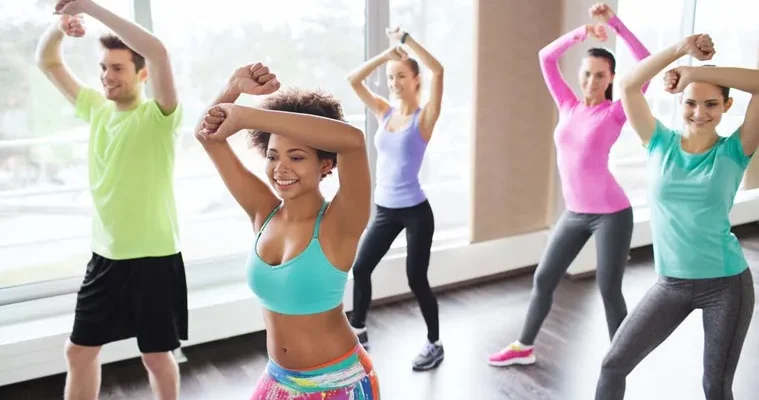
Group fitness works best when participants feel connected to the same flow. Choreography helps create that shared experience. Everyone follows the instructor, moves through the same phases, and responds to the same music.
This group rhythm creates energy. It also helps newer participants follow along because the room has a clear direction.
The class feels unified rather than scattered.
Different Levels Can Still Participate
A choreographed class should not mean everyone must move exactly the same way. Good instruction includes options. Participants may adjust impact, range, speed, or resistance while staying with the class structure.
This makes the format inclusive. A beginner and an experienced member can share the same workout while working at different intensities.
The choreography provides the frame. The participant chooses the right level inside that frame.
Choreographed Classes Reduce Workout Planning Stress
Many people want fitness to be effective but do not want to plan every detail. A choreographed class solves this. Members can show up, follow the instructor, and trust that the session has been designed with purpose.
This is especially useful for busy adults who already spend the day making decisions.
The workout becomes one less thing to plan.
Long-Term Motivation Needs Both Variety and Progress
People stay with fitness when they feel interested and when they feel improvement. Choreographed classes can support both. The class can refresh music and movement while still helping participants build skill and fitness.
This balance is why planned group formats can be powerful.
They create a routine that feels alive.
Choosing the Right Choreographed Fitness Class
A good choreographed class should have clear instruction, smart pacing, motivating music, and movement options. It should feel energetic but not reckless. Members should leave feeling challenged and confident enough to return.
For those comparing group fitness options, True Fitness Singapore may be relevant when looking for structured classes where choreography, coaching, and progression work together.
FAQ
What does choreography mean in fitness classes?
It means the workout is planned through movement sequence, timing, music, intensity, and recovery.
Are choreographed classes only dance classes?
No. Choreography can apply to strength, cardio, cycling, HIIT, and other group fitness formats.
Can beginners follow choreographed workouts?
Yes, especially when instructors provide clear cues and easier options.
Why does choreography help progression?
It allows members to repeat movement patterns, improve technique, and gradually handle more challenge over time.