 By Liv Tyree
Introduction
Dental health is a critical component of overall well-being, yet it is often overlooked until problems arise. Proper dental care involves more than brushing and flossing; it encompasses routine checkups, preventive measures, cosmetic procedures, and treatments for oral diseases. Modern dental practices offer a wide range of services that cater to patients of all ages, ensuring that teeth and gums remain healthy, functional, and aesthetically pleasing. Understanding dental services, their benefits, and how to maintain oral hygiene can empower individuals to take control of their oral health.
Importance of Dental Health
Maintaining dental health is not only essential for a bright smile but also for overall physical health. Poor oral hygiene can lead to gum diseases, tooth decay, bad breath, and even systemic conditions like heart disease and diabetes. Regular dental care helps:
- Prevent cavities and tooth decay
- Avoid gum diseases like gingivitis and periodontitis
- Detect oral cancer early
- Maintain proper chewing and digestion
- Enhance confidence through a healthy, attractive smile
Oral health is closely linked to general health, making routine dental care a priority for everyone.
Types of Dental Services
Preventive Dental Care
Preventive care is the cornerstone of modern dentistry. Dental clinics provide services aimed at preventing oral diseases before they become severe. These services include:
- Routine Checkups: Dentists examine teeth, gums, and oral tissues for signs of cavities, gum disease, or abnormalities.
- Professional Cleaning: Dental hygienists remove plaque and tartar buildup that regular brushing may miss, preventing decay and gum disease.
- Fluoride Treatments: Fluoride strengthens tooth enamel, making it more resistant to decay.
- Sealants: Protective coatings applied to molars prevent cavities, especially in children.
Preventive care reduces long-term dental costs and ensures early detection of potential issues.
Restorative Dentistry
Restorative dentistry focuses on repairing damaged teeth and restoring function. Common procedures include:
- Fillings: Used to treat cavities and restore tooth structure.
- Crowns: Caps placed over damaged teeth to restore strength and appearance.
- Bridges: Replace one or more missing teeth, restoring chewing function and smile aesthetics.
- Dentures: Removable replacements for missing teeth, suitable for partial or full tooth loss.
- Root Canal Therapy: Treats infected or damaged tooth pulp, preserving the natural tooth.
Restorative procedures not only improve oral function but also prevent further complications.
Cosmetic Dentistry
Cosmetic dentistry focuses on enhancing the appearance of teeth and smiles. Popular cosmetic procedures include:
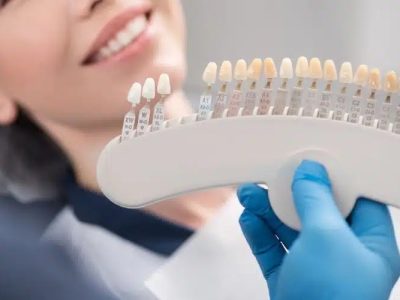
- Teeth Whitening: Removes stains and discoloration for a brighter smile.
- Veneers: Thin porcelain or composite shells cover imperfections like chips, gaps, or discoloration.
- Bonding: Tooth-colored materials are applied to repair chips, cracks, or gaps.
- Orthodontics: Braces or clear aligners straighten teeth for both functional and aesthetic improvements.
Cosmetic dental procedures help patients gain confidence while maintaining healthy oral habits.
Pediatric Dentistry
Pediatric dentists specialize in oral care for children, addressing both preventive and developmental needs. Services include:
- Monitoring tooth eruption and alignment
- Fluoride treatments and sealants for cavity prevention
- Education on proper brushing and flossing techniques
- Management of early orthodontic concerns
Early dental care instills lifelong oral hygiene habits and prevents future dental complications.
Periodontal Care
Periodontal care focuses on gum health, addressing conditions like gingivitis and periodontitis. Treatments include:
- Scaling and Root Planing: Deep cleaning to remove plaque and tartar below the gum line.
- Gum Surgery: Treats advanced gum disease and restores gum health.
- Laser Therapy: Minimally invasive option for treating periodontal infections.
Healthy gums are essential for maintaining teeth stability and overall oral health.
Oral Surgery
Dental clinics also provide oral surgery for complex procedures, such as:
- Tooth Extractions: Removal of impacted or severely damaged teeth.
- Wisdom Teeth Removal: Commonly performed to prevent overcrowding and pain.
- Dental Implants: Titanium posts replace missing teeth, providing long-term functional and aesthetic benefits.
- Bone Grafting: Prepares the jawbone for implants when bone density is insufficient.
Oral surgery combines functional restoration with modern technology to ensure patient comfort and effective outcomes.
Technological Advancements in Dentistry
Digital Imaging
Digital X-rays and 3D imaging allow precise diagnostics with reduced radiation exposure. These technologies help dentists identify problems early and plan treatments accurately.
Laser Dentistry
Lasers are used for soft tissue procedures, cavity removal, and gum disease treatment. Laser treatments are less invasive, reduce discomfort, and promote faster healing.
CAD/CAM Technology
Computer-aided design and manufacturing enable dentists to create precise crowns, bridges, and veneers in a single visit, improving efficiency and patient satisfaction.
Tele-dentistry
Tele-dentistry allows patients to consult dentists remotely for follow-ups, minor consultations, and oral health advice, increasing accessibility and convenience.
Maintaining Dental Health at Home
Brushing and Flossing
Proper brushing at least twice a day and daily flossing remove plaque and prevent cavities and gum disease. Electric toothbrushes and interdental brushes can enhance cleaning efficiency.
Diet and Nutrition
Limiting sugary foods and drinks reduces the risk of tooth decay. A balanced diet rich in vitamins and minerals supports healthy teeth and gums.
Regular Dental Visits
Routine checkups every six months allow early detection and treatment of dental issues, reducing the risk of complex procedures later.
Protective Measures
Mouthguards during sports, avoiding tobacco, and limiting acidic beverages can protect teeth from injury and erosion.
Choosing the Right Dental Clinic
Selecting a dental clinic involves several factors:
- Expertise and Credentials: Verify the qualifications and experience of dentists and staff.
- Range of Services: Ensure the clinic provides both preventive and specialized treatments.
- Technology and Facilities: Clinics with advanced diagnostic and treatment tools offer better care.
- Patient Reviews: Feedback from other patients can provide insights into service quality.
- Insurance Acceptance: Confirm that the clinic accepts your insurance plan or provides affordable payment options.
- Hygiene and Safety: Clean, sterile facilities are essential for safe dental care.
Choosing the right clinic ensures a comfortable, effective, and long-term approach to oral health.
Conclusion
Dental health is an integral part of overall wellness, encompassing preventive care, restorative treatments, cosmetic enhancements, and specialized procedures. Modern dental clinics offer comprehensive services backed by advanced technology and patient-centered care. By maintaining good oral hygiene, visiting the dentist regularly, and choosing the right dental clinic, individuals can ensure healthy teeth and gums while enhancing their quality of life. Dental care is not just about aesthetics; it is a vital investment in long-term health and confidence.
FAQs
1. How often should I visit a dentist?
Most dental professionals recommend visiting a dentist every six months for routine checkups and cleanings.
2. What is the difference between a general dentist and a specialist?
A general dentist provides routine care and basic treatments, while specialists focus on specific areas like orthodontics, periodontics, or oral surgery.
3. Are cosmetic dental procedures safe?
Yes, when performed by qualified professionals, cosmetic procedures like teeth whitening, veneers, and bonding are safe and effective.
4. Can dental problems affect overall health?
Yes, untreated oral infections and gum diseases can contribute to systemic conditions such as heart disease, diabetes, and respiratory issues.
5. What are dental implants, and how do they work?
Dental implants are titanium posts surgically placed in the jawbone to replace missing teeth. They provide long-term support for crowns, bridges, or dentures.
6. How can I prevent cavities and gum disease at home?
Maintain regular brushing and flossing, limit sugary foods, use fluoride toothpaste, and schedule regular dental checkups.
7. Is tele-dentistry effective for dental care?
Tele-dentistry is useful for consultations, follow-ups, and oral health advice, but in-person visits are necessary for procedures and detailed examinations.