
 By Liv Tyree
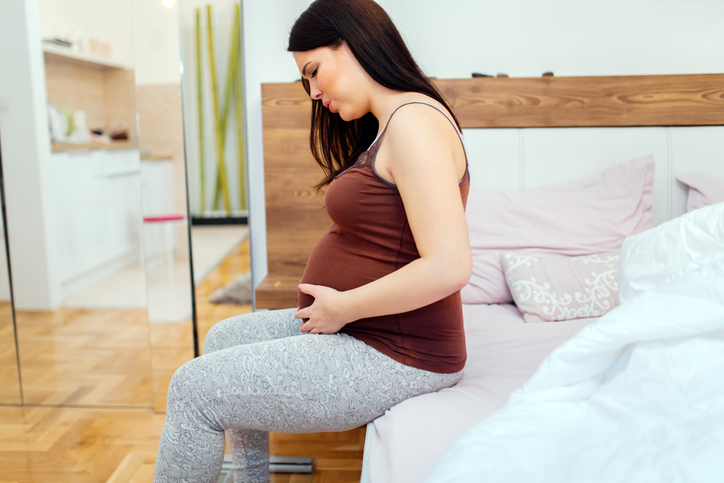
Pregnancy is a major period of physical and emotional change. During these months, the body adapts to support the developing baby while preparing for childbirth and the changes that follow. Every pregnancy is different, so care should be based on individual needs and guidance from qualified healthcare professionals.
A healthy pregnancy is supported by regular medical care, nutritious food, appropriate physical activity, adequate rest, and awareness of important warning signs. Preparing early and making informed choices can help create a safer and more comfortable experience.
Begin Prenatal Care Early
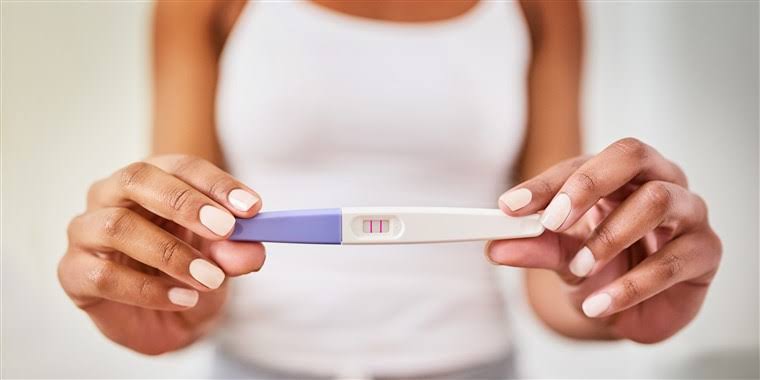
Once pregnancy is confirmed, arranging care with a qualified healthcare professional is an important first step. Prenatal appointments allow the mother’s health and the baby’s development to be monitored throughout pregnancy.
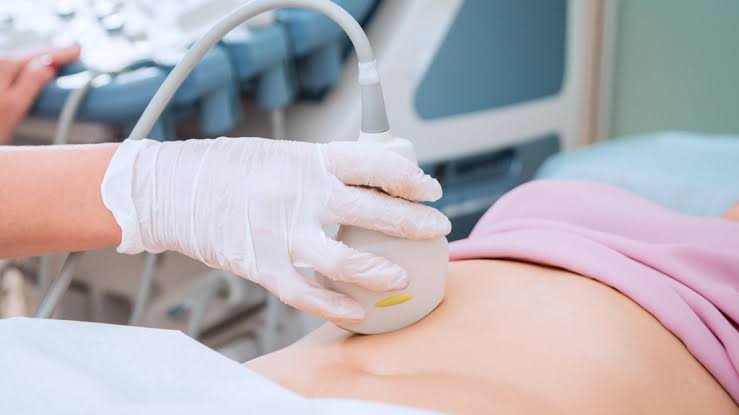
These visits may involve discussions about nutrition, physical activity, medications, vaccinations, medical history, and symptoms. Healthcare professionals may also recommend examinations, blood tests, scans, or other assessments according to individual circumstances.
Regular appointments are valuable even when the pregnancy appears to be progressing normally because some conditions may not produce obvious symptoms at first.
Focus on Balanced Nutrition
Nutrition plays an important role during pregnancy. The body requires adequate energy, protein, vitamins, minerals, and other nutrients to support both maternal health and fetal development.
A varied diet can include foods such as:
- Fresh fruits and vegetables
- Whole grains and other nutrient-rich grains
- Beans and other legumes
- Eggs and well-prepared protein sources
- Nuts and seeds when appropriate
- Pasteurized dairy products
- Suitable meat and fish
Rather than focusing on eating large amounts of food, the emphasis should be on nutritional quality and variety. Individual nutritional requirements can differ, so a healthcare professional can provide personalized advice.
Take Supplements Only as Recommended
Pregnancy often involves specific nutritional needs, and healthcare professionals may recommend supplements based on individual circumstances. Iron and folic acid are commonly addressed during prenatal care, but supplementation should be guided by appropriate medical advice.
It is important not to assume that all vitamins or herbal products are safe during pregnancy. Some supplements can contain excessive amounts of certain nutrients or ingredients that may not be suitable.
Before taking a new medicine, supplement, or herbal preparation, discuss it with a qualified healthcare professional.
Stay Physically Active When Appropriate
For many people, appropriate physical activity can be a useful part of pregnancy. Gentle walking, swimming, stretching, and other suitable activities may help maintain general fitness and support comfort.
However, exercise recommendations can vary depending on the stage of pregnancy and individual health circumstances.
A person who was already active before pregnancy may need to adjust certain activities, while someone new to exercise may need to begin more gradually. Activities with a significant risk of falling or injury may require particular caution.
Always follow individualized guidance when there are pregnancy-related complications or other medical concerns.
Get Enough Rest
Pregnancy can be physically demanding, and tiredness is common, particularly during certain stages. Allowing enough time for sleep and rest can help the body manage these changes.
A consistent sleep routine may be useful. Comfortable positioning, appropriate support, and relaxing activities before bedtime can also make rest easier.
It is normal for sleep patterns to change as pregnancy progresses. If persistent sleep difficulties are affecting daily life, discussing them with a healthcare professional can be helpful.
Avoid Harmful Substances
Protecting maternal and fetal health includes avoiding substances that may create unnecessary risks. Alcohol, tobacco, and recreational drugs can be harmful during pregnancy.
Medication also deserves careful attention. Some medicines that are commonly used outside pregnancy may not be appropriate during pregnancy.
Do not stop an essential prescribed medicine without medical advice. Instead, discuss current medications with a healthcare professional so that benefits, risks, and alternatives can be considered appropriately.
Pay Attention to Emotional Well-Being
Pregnancy can bring excitement, uncertainty, stress, and many other emotions. Emotional health deserves the same attention as physical health.
Support from a partner, family member, friend, counselor, or healthcare professional can make difficult periods easier to manage.
Persistent sadness, severe anxiety, overwhelming fear, or other emotional difficulties should not be ignored. Speaking with a qualified professional can provide support and help identify appropriate care.
Understand Warning Signs
Some pregnancy symptoms are common and usually manageable, while others require prompt medical attention. Pregnant individuals should know how and where to obtain medical care if concerning symptoms develop.
Important warning signs can include:
- Vaginal bleeding
- Severe abdominal or pelvic pain
- Severe or persistent headache
- High fever
- Significant swelling
- Difficulty breathing
- Fainting or loss of consciousness
- Other sudden or severe changes
These symptoms do not necessarily indicate a serious complication, but they should be assessed promptly by an appropriate healthcare professional.
Prepare for the Later Stages
As pregnancy progresses, preparation can reduce unnecessary stress. Discussing birth preferences, arranging transportation, preparing essential items, and understanding when to contact the maternity care team can all be useful.
It is also helpful to keep important medical information organized. Records of appointments, medications, test results, and relevant health information can make communication with healthcare professionals easier.
Build a Supportive Environment
Pregnancy does not have to be managed alone. Practical and emotional support can make everyday responsibilities easier.
Family members and partners can help by assisting with household tasks, attending appointments when appropriate, encouraging healthy habits, and providing emotional support.
A calm and respectful environment can contribute to a more positive pregnancy experience.
Conclusion
Pregnancy is a unique period that requires attention to both physical and emotional well-being. Early prenatal care, balanced nutrition, appropriate activity, adequate rest, responsible medication use, and awareness of warning signs can all contribute to safer pregnancy care.
Because every pregnancy is different, general information should not replace personalized medical guidance. Working closely with qualified healthcare professionals and communicating openly about symptoms and concerns can help support the health of both mother and baby throughout this important stage of life.