 By Liv Tyree
Bringing a baby home changes daily life fast. Sleep shifts, routines disappear, and most attention naturally moves to the newborn. In the middle of that, many mothers notice changes in their own body that can be hard to ignore. Leaking when sneezing, pressure through the pelvis, lower back discomfort, painful intimacy, or a feeling of weakness through the core are all common after pregnancy and delivery.
Many women begin searching for answers once they realize these issues are not rare and do not always fade on their own. Pelvic floor physical therapy and Postpartum physical therapy in The Bay Area can offer a structured path forward for mothers who want to feel stronger, move comfortably, and return to normal life with confidence.
The good news is that recovery does not need to mean pushing through pain or guessing with random online exercises. With the right support, many postpartum symptoms improve steadily over time.
Why the Pelvic Floor Feels Different After Birth
The pelvic floor is a group of muscles that supports the bladder, bowel, and reproductive organs. During pregnancy, these muscles carry extra load for months. Vaginal delivery can stretch them further, while even a cesarean birth may still leave weakness, tension, scar discomfort, or coordination issues due to pregnancy itself and abdominal changes.
That can show up as:
- Urine leakage when coughing or laughing
- Heaviness or dragging sensations
- Trouble activating the core
- Pain with exercise or intimacy
- Lower back or hip discomfort
- Ongoing tension rather than weakness
Every postpartum body is different, which is why generic advice often misses the mark.
What Happens in Therapy
Many first-time patients expect a short session of Kegels and a handout. Good care is usually much broader than that.
A pelvic health physical therapist may begin with a full conversation about pregnancy, delivery, symptoms, activity goals, and current challenges. They may assess breathing patterns, posture, abdominal control, scar mobility, hip strength, and pelvic floor coordination.
Treatment can include:
- Guided breathing and pressure management
- Core retraining
- Pelvic floor relaxation or strengthening
- Mobility work for hips and lower back
- Scar support after C-section or tearing
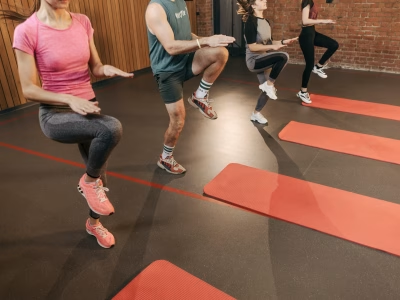
- Safe return-to-running or gym progressions
The aim is not just symptom control. It is helping you function well in real life.
Bay Area Life Can Add Extra Demands
Living in San Francisco Bay Area often means hills, stairs, long walks, carrying gear, loading strollers into cars, and staying active outdoors year-round. Those demands can expose weakness or discomfort quickly.
You may feel fine sitting at home, then notice symptoms while pushing a stroller uphill in San Francisco, hiking near Redwood Regional Park, or carrying your baby through a busy day in San Jose.
That is where targeted rehab can make everyday movement easier.
When to Seek Help
Some mothers start therapy a few weeks after birth. Others come months or years later after assuming symptoms were normal. Both are common.
Consider booking an evaluation if symptoms are affecting daily life, confidence, exercise, or comfort. You do not need to wait until things become severe.
Recovery Is Not About Perfection
Postpartum healing is rarely linear. Some weeks feel great, others feel frustrating. That is normal. Progress often comes from small consistent gains like less leakage, better stability, easier lifting, improved comfort, and renewed trust in your body.
Caring for yourself after birth is not separate from caring for your family. When you feel stronger, daily life usually feels better too.