
 By Liv Tyree
Australia owes a significant debt to the men and women who have served in the Australian Defence Force (ADF). The transition from active duty to civilian life brings specific challenges, particularly regarding health and wellbeing. It is essential that those who served have access to robust support systems designed for their unique needs. This support must cover everything from physical rehabilitation to mental health maintenance.
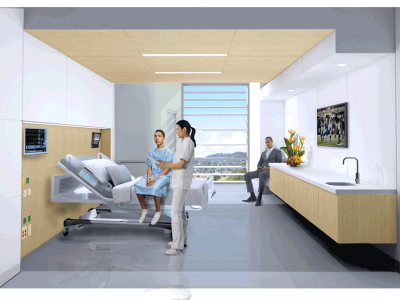
A holistic approach to Veteran Medical care ensures that former service members receive the treatment they deserve. The health issues faced by veterans are often complex and interconnected. While physical injuries sustained during training or deployment are common, other conditions may appear years later. Hearing loss, musculoskeletal pain, and respiratory issues frequently require long-term management. Effective care involves a coordinated effort between General Practitioners, specialists, and allied health professionals who understand the nuances of military culture.
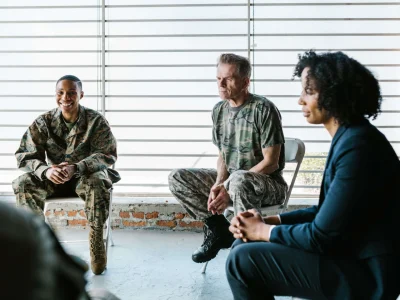
Mental wellbeing is equally vital. Anxiety, depression, and Post-Traumatic Stress Disorder (PTSD) affect many within the veteran community. Comprehensive services must prioritize mental health support, offering access to psychologists and psychiatrists without difficult barriers. Early intervention makes a massive difference in a veteran’s quality of life and their ability to reintegrate into the workforce and family units. Addressing these invisible wounds is as important as treating physical ailments.
In Australia, the Department of Veterans’ Affairs (DVA) provides funding and support frameworks to assist with these costs. The White Card and Gold Card systems exist to fund clinically necessary treatment. A Gold Card covers treatment for all medical conditions for eligible persons, while a White Card covers treatment for specific service-related injuries or conditions. Medical professionals who accept these arrangements allow veterans to focus on recovery rather than financial stress.
Allied health services represent a major component of this support network. Physiotherapy and exercise physiology help manage chronic pain and improve mobility. Dietitians assist with lifestyle changes and weight management, while occupational therapists can recommend modifications to homes or workplaces to improve accessibility. These services work in tandem with doctors to create a complete care plan that addresses the whole person, not just a set of symptoms.
As the veteran population ages, the focus inevitably shifts towards chronic disease management and aged care. Home care packages and community nursing become necessary to support independent living. Regular health checks allow for early detection of age-related illnesses, ensuring that interventions happen sooner rather than later.
Families also play a significant role in this equation. The health of a veteran impacts their partner and children. Comprehensive services often extend support or counselling to family members, recognising that a stable and supportive home environment aids recovery.
Supporting our veterans requires listening to their needs and adapting services accordingly. Comprehensive medical care is the foundation for a healthy, fulfilling life after service. By prioritizing accessible, high-quality treatment across all disciplines, the community demonstrates its gratitude and respect for those who sacrificed for the nation.