 By Liv Tyree
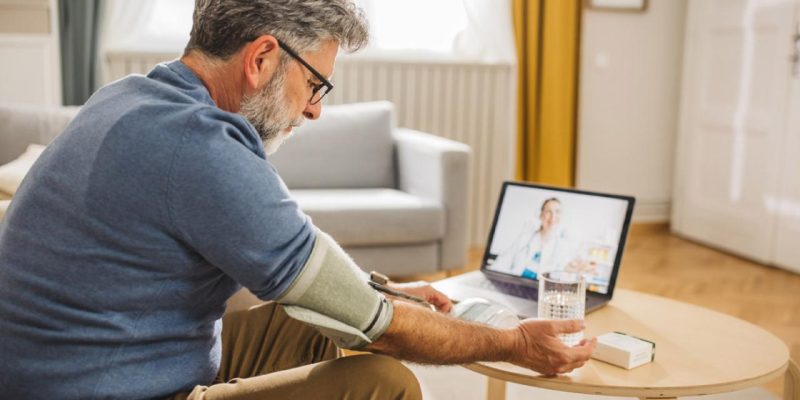
The traditional image of health care—a sterile waiting room, long transit times, and brief face-to-face clinical appointments—is rapidly expanding into a flexible, borderless ecosystem. Telehealth and remote patient monitoring (RPM) have transformed from emergency pandemic pivots into permanent pillars of modern health care delivery. By leveraging high-speed connectivity and internet-of-things (IoT) devices, the medical community is successfully delivering care directly to the patient’s home.
The Mechanics of Remote Monitoring
At the core of modern virtual care is an array of sophisticated, connected hardware. Wearable biosensors, smart glucose meters, digital blood pressure cuffs, and home-use ECG monitors continuously track vital physiological metrics in real time. This continuous data stream is transmitted securely to cloud platforms where automated algorithms analyze trends and flag anomalies for clinical review.
Instead of relying on retrospective recollections during an annual checkup, physicians receive continuous insights into how a patient’s body reacts to medication, physical activity, and dietary choices. This real-time feedback loop allows for instantaneous adjustments to chronic disease management plans, preventing minor fluctuations from escalating into costly emergency room admissions.
Benefits for Rural and Underserved Populations
Geographic isolation has historically served as a profound barrier to quality health care access. Residents living in rural communities or economically disadvantaged urban areas often face grueling travel times to reach specialized medical centers. Telehealth effectively collapses these geographic distances, ensuring that top-tier specialist consultations, mental health support, and routine follow-ups are just a video call away.
By removing transportation and mobility hurdles, virtual care significantly improves appointment adherence rates. Patients who previously skipped vital follow-up visits due to work conflicts or transit limitations can now seamlessly integrate care into their daily lives.
Overcoming Regulatory and Technological Barriers
Despite its undeniable benefits, widespread telehealth integration faces ongoing hurdles. Disparities in broadband internet access continue to isolate rural or low-income households from reliable digital health services. Furthermore, patchwork state-by-state licensing regulations, varying cross-border reimbursement policies, and stringent cybersecurity protocols complicate seamless virtual scaling for large hospital networks.
Addressing these challenges requires targeted infrastructure investments and legislative harmonization. Ensuring that digital health tools are user-friendly for elderly populations—alongside offering universal broadband coverage—remains essential for achieving equitable access.
Conclusion
Telehealth and remote patient monitoring represent a permanent, structural evolution in how health care is conceived and delivered. By moving clinical oversight out of rigid physical facilities and into the everyday lives of patients, the health care sector is unlocking unprecedented levels of accessibility, engagement, and proactive disease management.