 By Liv Tyree
Introduction
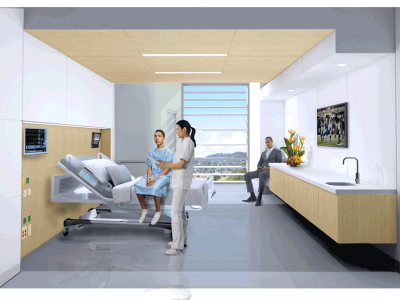
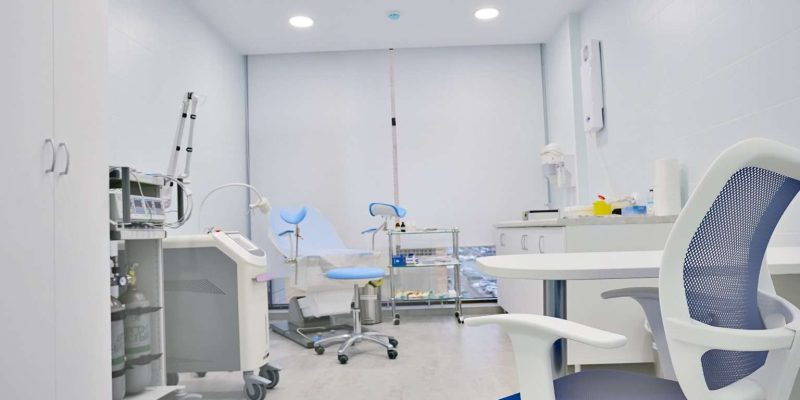
Clinics play a crucial role in the healthcare system, serving as the first point of contact for patients seeking medical attention. Unlike hospitals, clinics typically focus on outpatient care, offering specialized services, routine checkups, preventive care, and minor procedures. With the evolving landscape of healthcare, clinics have adapted to integrate advanced technology, patient-centered care, and accessible services to meet the needs of diverse populations. Understanding the types, services, and benefits of clinics can help individuals make informed decisions about their healthcare.
Choosing an experienced dentist Willmar community members rely on means gaining access to comprehensive dental solutions. From pediatric dentistry to restorative crowns and implants, quality care is tailored to individual needs. Friendly staff and flexible scheduling further enhance the overall patient experience and convenience.
Types of Clinics
Primary Care Clinics
Primary care clinics are often the foundation of a patient’s healthcare journey. These clinics provide general healthcare services, including annual physicals, vaccinations, health screenings, and treatment of common illnesses. Patients often establish long-term relationships with primary care providers, ensuring continuity of care and personalized attention.
Specialty Clinics
Specialty clinics focus on specific medical fields or conditions. Examples include cardiology clinics, dermatology clinics, orthopedic clinics, and mental health clinics. These clinics are staffed by specialists who offer in-depth knowledge and advanced treatment options for particular health concerns. Specialty clinics often work in collaboration with primary care providers to manage complex cases efficiently.
Urgent Care Clinics
Urgent care clinics provide immediate care for non-life-threatening medical issues that require prompt attention. Common cases include minor injuries, infections, sprains, and fever. Urgent care clinics are designed to bridge the gap between primary care and emergency rooms, offering extended hours, walk-in appointments, and faster service for acute conditions.
Dental Clinics
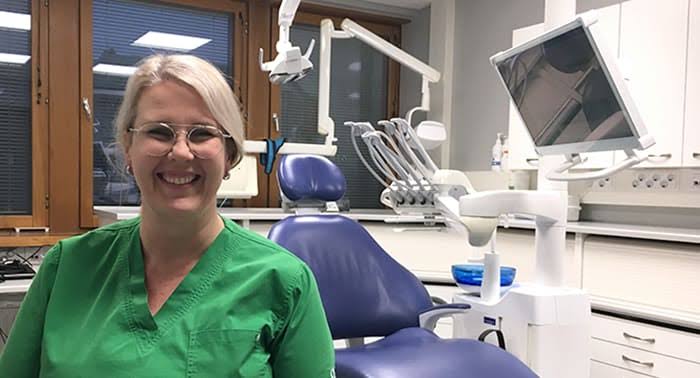
Dental clinics specialize in oral health, providing services such as routine cleanings, cavity fillings, root canals, orthodontics, and cosmetic dentistry. Regular visits to dental clinics help prevent dental diseases, maintain oral hygiene, and improve overall health.
Community Health Clinics
Community health clinics aim to provide affordable or free healthcare services to underserved populations. These clinics often focus on preventive care, chronic disease management, and public health initiatives. Community health clinics are essential for improving healthcare access in rural areas or low-income neighborhoods.
Services Offered at Clinics
Preventive Care
Preventive care is a cornerstone of modern clinic services. It includes routine health screenings, immunizations, lifestyle counseling, and early detection of diseases. Clinics emphasize preventive measures to reduce the risk of chronic illnesses and promote long-term wellness.
Diagnostic Services
Most clinics provide diagnostic services such as blood tests, X-rays, ultrasound imaging, and ECGs. Advanced clinics may also offer specialized tests for specific conditions. Timely diagnostics allow healthcare providers to identify health issues early and create effective treatment plans.
Minor Surgical Procedures
Many clinics are equipped to perform minor surgical procedures, including mole removal, wound suturing, biopsies, and joint injections. These procedures are typically outpatient, minimizing hospital visits and allowing faster recovery for patients.
Chronic Disease Management
Clinics play a vital role in managing chronic diseases such as diabetes, hypertension, asthma, and arthritis. Regular monitoring, patient education, medication management, and lifestyle counseling are offered to help patients maintain optimal health and reduce complications.
Telemedicine Services
With the rise of digital healthcare, many clinics now provide telemedicine services. Patients can consult with healthcare providers through video calls, phone consultations, or online messaging. Telemedicine improves accessibility, reduces travel time, and ensures continuity of care, especially for patients in remote areas.
Mental Health Support
Modern clinics recognize the importance of mental health in overall well-being. Services may include counseling, psychiatric evaluations, therapy sessions, and support groups. Mental health clinics and departments within general clinics provide a safe space for patients to seek help and manage stress, anxiety, and depression.
Benefits of Visiting a Clinic
Accessibility
Clinics are often more accessible than hospitals, with multiple locations, shorter wait times, and flexible hours. Patients can receive timely medical attention without the complexity of hospital admissions.
Cost-Effectiveness
Clinics are generally more affordable than hospital visits, especially for routine checkups, preventive care, and minor procedures. Many clinics accept insurance, offer sliding scale fees, or provide low-cost services, making healthcare more accessible to diverse populations.
Personalized Care
Clinics offer a patient-centered approach, allowing healthcare providers to develop long-term relationships with their patients. Personalized care ensures that treatment plans are tailored to individual needs, improving patient satisfaction and health outcomes.
Continuity of Care
Establishing a relationship with a clinic ensures continuity of care. Patients benefit from consistent monitoring, regular follow-ups, and coordinated treatment plans, reducing the likelihood of misdiagnosis or fragmented care.
Specialized Expertise
Specialty clinics provide expert care for specific medical conditions. Patients gain access to advanced treatments, experienced specialists, and innovative healthcare solutions that may not be available at general hospitals.
Choosing the Right Clinic
Selecting the right clinic is essential for effective healthcare. Consider the following factors:
- Reputation and Reviews: Check patient reviews, ratings, and testimonials to assess the quality of care.
- Range of Services: Ensure the clinic offers services that meet your specific medical needs.
- Accessibility: Consider location, operating hours, and transportation options.
- Insurance Acceptance: Verify that the clinic accepts your insurance plan or offers affordable payment options.
- Technology and Facilities: Modern clinics with advanced diagnostic tools and digital records can improve treatment accuracy and efficiency.
- Staff Qualifications: Review the credentials of doctors, nurses, and support staff for trust and reliability.
Clinic Technology and Innovations
Electronic Health Records (EHR)
Electronic Health Records streamline patient information management, allowing providers to access medical histories, lab results, and treatment plans efficiently. EHR improves coordination among healthcare professionals and reduces errors.
Point-of-Care Testing
Point-of-care testing enables clinics to provide rapid diagnostic results on-site, reducing delays in treatment and enhancing patient experience.
Telehealth Integration
Telehealth platforms allow patients to consult with healthcare providers remotely, monitor chronic conditions, and receive follow-up care conveniently. Integration of telehealth in clinics is transforming patient engagement and accessibility.
Patient Portals
Patient portals offer secure online access to medical records, appointment scheduling, lab results, and communication with healthcare providers. This technology empowers patients to actively participate in their healthcare journey.
Patient Experience in Clinics
Clinics emphasize creating a positive patient experience. Factors influencing patient satisfaction include:
- Efficient appointment scheduling
- Short waiting times
- Friendly and professional staff
- Clean and comfortable facilities
- Clear communication about treatment plans
A good patient experience encourages adherence to treatment, repeat visits, and trust in healthcare providers.
Conclusion
Clinics have become indispensable in modern healthcare, offering accessible, affordable, and personalized services to patients. From primary care to specialized treatments, clinics address a wide spectrum of health needs, emphasizing preventive care, advanced diagnostics, and patient-centered care. With technological innovations and a focus on patient experience, clinics continue to improve healthcare outcomes, making them a vital component of the healthcare system. Choosing the right clinic involves careful consideration of services, reputation, accessibility, and patient care quality to ensure the best possible healthcare experience.
FAQs
1. What is the difference between a clinic and a hospital?
Clinics primarily provide outpatient care, routine checkups, and minor procedures, while hospitals offer extensive inpatient care, complex surgeries, and emergency services.
2. How do I know if a clinic is trustworthy?
Check credentials, patient reviews, certifications, range of services, and technology used. Word-of-mouth recommendations and online feedback can also be helpful.
3. Can clinics handle emergencies?
Most clinics handle minor emergencies and urgent care cases, but severe or life-threatening conditions should be treated at a hospital emergency department.
4. Are clinic visits covered by insurance?
Many clinics accept insurance, but it is essential to confirm coverage and co-pay details before visiting. Some clinics also offer low-cost or sliding scale fees.
5. What services are commonly available at a general clinic?
General clinics typically provide preventive care, health screenings, vaccinations, chronic disease management, minor procedures, diagnostic services, and telemedicine consultations.
6. How can telemedicine benefit clinic patients?
Telemedicine provides convenient access to healthcare providers, reduces travel time, allows remote monitoring, and ensures continuity of care, especially for patients in remote or underserved areas.
7. How often should I visit a clinic for preventive care?
Routine visits are generally recommended once or twice a year, depending on age, health status, and risk factors. Your primary care provider can advise on an appropriate schedule.